
Lampasas County Criminal History Checks
Lampasas County has no free countywide person-name portal. Start by deciding whether the goal is a court outcome, a recent arrest, a local police report, or the public statewide conviction record. A full name, date of birth, approximate event date, arresting agency, and cause or report number can reduce confusion. Name spelling matters, but a name match alone does not prove identity.
The county clerk network is split by jurisdiction. The District Clerk keeps felony files from the 27th District Court. The County Clerk holds the constitutional County Court's Class A and B misdemeanor files. Municipal and justice courts retain their own fine-only and limited-jurisdiction matters. The Sheriff holds its reports and county jail data, while a city police report stays with that city.
- Identify the record type, court level, and agency that created the event.
- Use a clerk docket or official portal to discover a cause number when one is available.
- Ask the correct custodian for the underlying case, report, booking entry, or certified copy.
- Use the Texas DPS public name search for the narrower statewide conviction and deferred-adjudication slice.
- For the most reliable review of your own Texas record, use the fingerprint-based DPS personal-review route.
Record flow: Arresting agency → jail booking → prosecutor and court → disposition report to Texas DPS.
Lampasas County Records Span Four Buildings
The historic courthouse is not the county's one-stop criminal-record counter. It houses the County Judge and Justice of the Peace Precinct 1. The core criminal clerks, prosecutors, court collections, and adult community supervision work from Annex 1 at 409 South Pecan Street. Juvenile probation and a Texas Ranger office are in Annex 2. The Sheriff and jail operate at 1210 Barnes Street.
The official Lampasas County office map shows that split. Its layout is useful before a records visit.
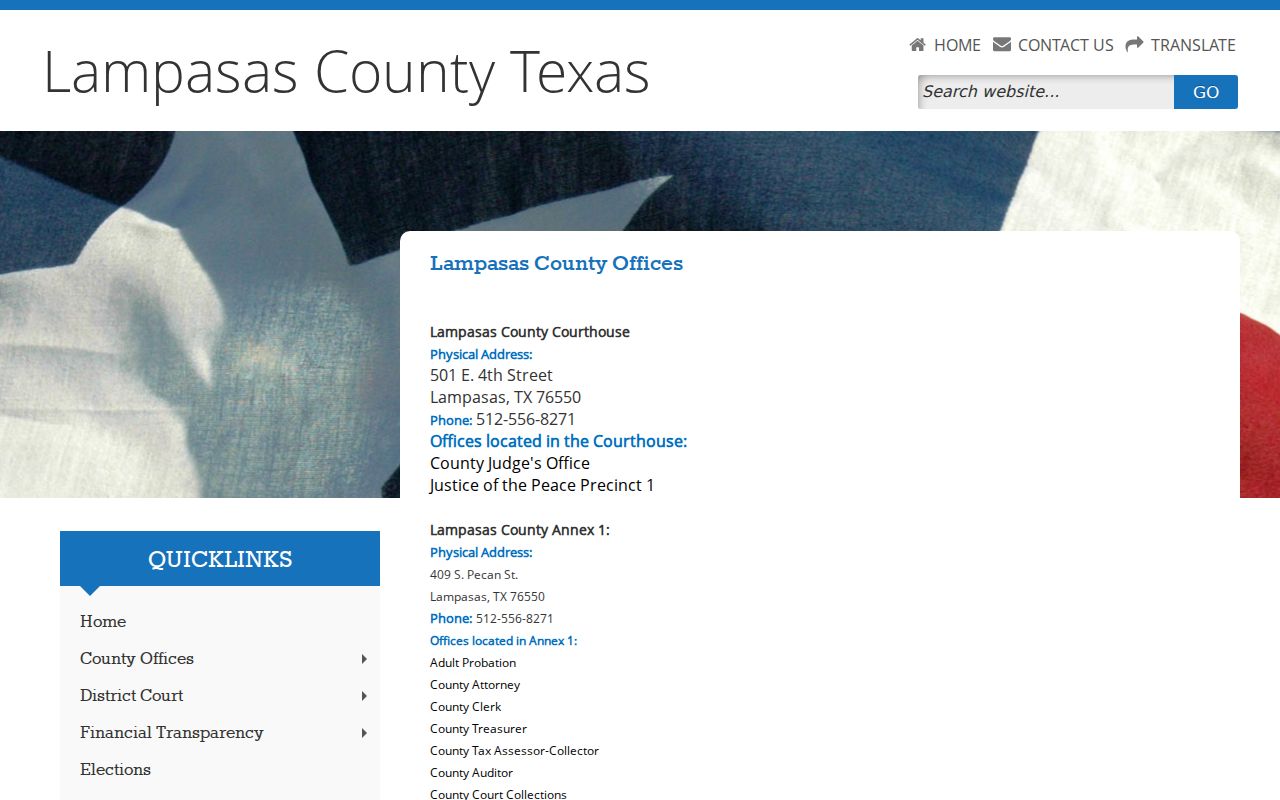
A felony judgment belongs at the District Clerk's Annex 1 counter, not at the courthouse tour desk. Booking details begin on Barnes Street. Readers should also confirm a hearing site before travel because county repairs moved some 2025 dockets temporarily.
District Clerk
409 S. Pecan St., Suite 204
Lampasas, TX 76550
512-556-8271
Felony filings and certified court records
County Clerk
409 S. Pecan St., Suite 201
Lampasas, TX 76550
512-556-8271
County Court misdemeanor records
Sheriff and Jail
1210 Barnes St.
Lampasas, TX 76550
512-556-8255
Agency reports, bookings, and custody
Official Background Checks in Texas
The Texas Department of Public Safety Crime Records Division maintains the Computerized Criminal History repository. Its public product reports Texas convictions and deferred adjudications that agencies sent to DPS. It is a paid name search, not a nationwide history and not a fingerprint confirmation. Similar names, reporting delay, missing fingerprints, and events outside Texas can create incomplete or mistaken impressions.
For review of your own Texas record, DPS directs applicants to Fingerprint Applicant Services of Texas through IdentoGO. Prints connect the response to identity more securely than a name and birth date. An FBI Identity History Summary is a separate, subject-only federal route and does not replace a Lampasas certified judgment.
| Official product | Cost in research | Best use |
|---|---|---|
| DPS online public search | $1 credit plus card surcharge | Texas public conviction and deferred data |
| DPS CR-42 mailed search | $10 per search | Mailed request for the same public slice |
| DPS personal review through FAST | $25 total | Fingerprint review of your own Texas record |
| FBI Identity History Summary | $18 FBI fee | Your own FBI-maintained identity history |
Lampasas County Background Check Costs
Price and identity method answer different questions. The DPS conviction-search entry uses public-site credits and descriptive data. A valid no-match still uses a credit, and opening extra candidate records may use more. Soundex can find similar-sounding names, so the result must be read as discovery rather than proof that a record belongs to a particular person.
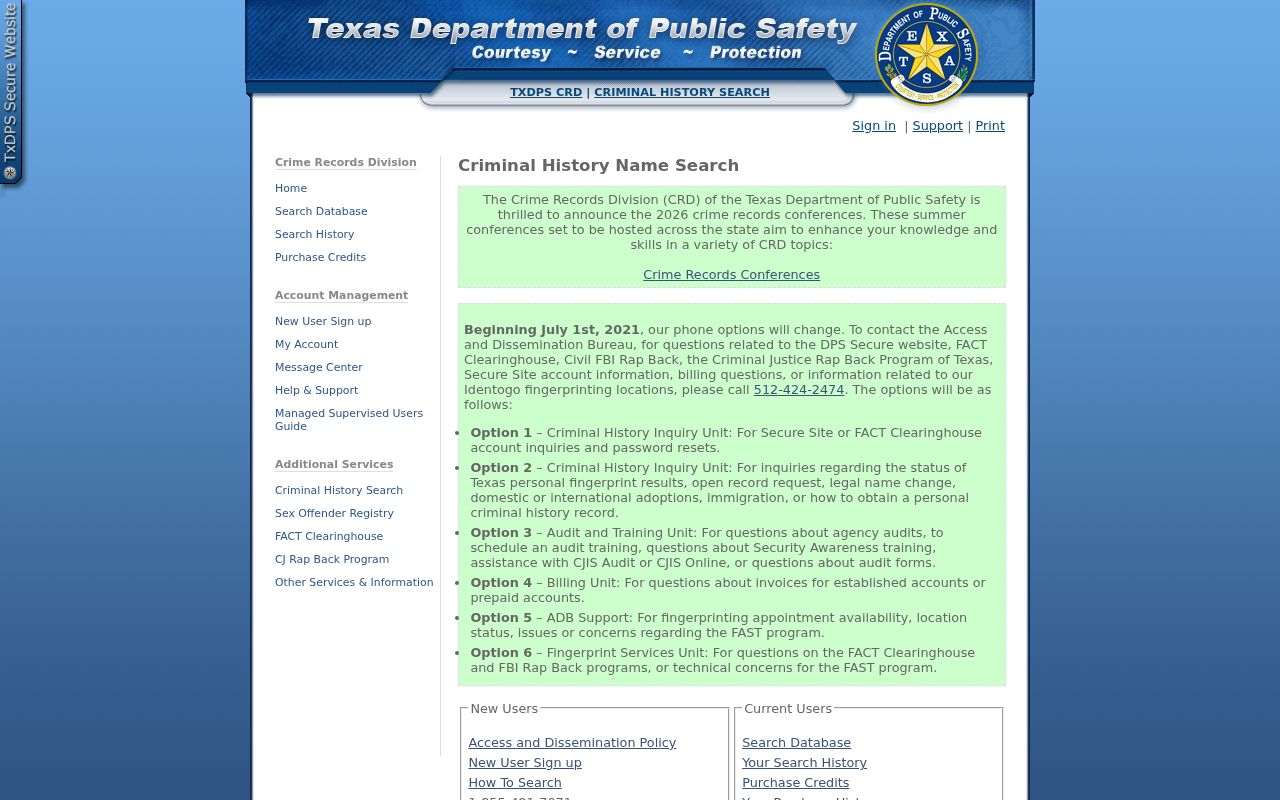
The portal makes the statewide public route visible, but a clerk file remains the source for the actual Lampasas County case documents and outcome.
DPS uses IdentoGO enrollment for FAST appointments. The personal-review process pairs submitted fingerprints with repository data and provides the better basis for correcting a Texas record attributed to you.
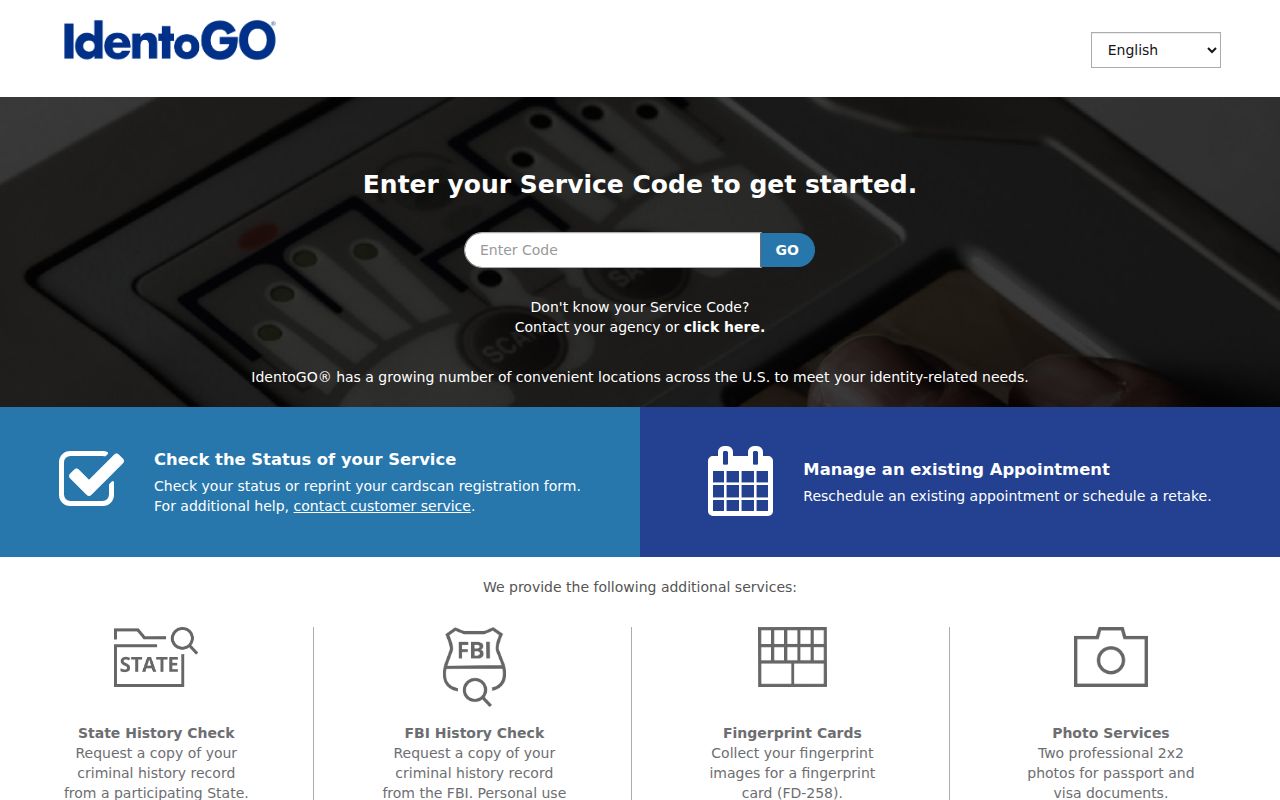
No current IdentoGO site inside Lampasas County was confirmed. Use the official locator for a current appointment rather than relying on an old vendor address.
Kinds of Criminal Records
A criminal record is not one document. Each custodian records a different stage. Police reports describe the reported event and probable cause. Jail data documents intake and release. Prosecutors choose the filed charge. Court clerks preserve dockets, motions, pleas, judgments, and sentences. DPS then compiles reportable events into a person-centered state history.
- Incident and arrest reports: request these from the Sheriff, city police, constable, or state agency that created them.
- Booking records: county jail data may show intake, initial charge, bond, release, and custody status.
- Court files: these show the filed charge and procedural result at the proper clerk.
- Custody records: county jail, TDCJ, and federal BOP systems cover different stages.
- Restricted records: juvenile, expunged, sealed, victim-related, and sensitive data may be withheld or redacted.
A warrant is also court-specific. Lampasas County publishes no verified active-warrant name database. Contact the issuing court and the Sheriff instead of relying on a commercial list.
Lampasas Arrest Records Reach DPS
One Lampasas County arrest can create four linked records. The officer's agency writes the arrest report. The jail records custody and takes fingerprints. A prosecutor may revise or decline the initial allegation. The court then records the filed case and its final disposition. That sequence explains why charges or dates can differ between a booking entry and a judgment.
Fingerprints and tracking numbers begin the DPS arrest cycle. Later prosecutor and clerk reports supply the disposition. Missing or delayed reporting can leave an open-looking entry even after a local case ends. In that situation, gather the certified disposition, review your fingerprint-based DPS history, and use the source agency's correction route.
- Disposition
- The recorded outcome of a charge, such as conviction, dismissal, acquittal, or deferred adjudication.
- No-bill
- A grand jury did not return an indictment. It is not the same event as a trial acquittal.
- Deferred adjudication
- Texas supervision that postpones adjudication and can remain in public DPS data unless restricted.
- TRN or TCN
- A transaction number used to connect an arrest cycle and its charge segments.
Lampasas County Criminal Records: What They Contain
A Texas CCH entry is person-centered, while a Lampasas County court file is case-centered. The repository can carry identifying descriptors, an SID or FBI number, arrest cycles, charges, prosecutor action, outcomes, sentences, and later custody or supervision reports. Public name results omit nonpublic criminal-history data. The local case file emphasizes its cause number and filed documents.
| Name and identifiers | Legal name, aliases, birth data, descriptors, SID, FBI number, and fingerprint linkage where held. |
|---|---|
| Arrest and booking | Agency, date, intake identifier, initial allegation, bond, and release or transfer details. |
| Charges and statutes | The arrest allegation can differ from the information, indictment, or final judgment. |
| Disposition | Dismissal, no-bill, plea, trial result, deferred adjudication, or conviction. |
| Sentence | Jail or prison term, fine, restitution, and community-supervision terms shown in the judgment. |
| Custody or supervision | County jail, TDCJ, parole, or court-filed supervision events, subject to access limits. |
The official county homepage gives visual context for the public offices that support these records. The Lampasas County government site is also the place to verify current notices.
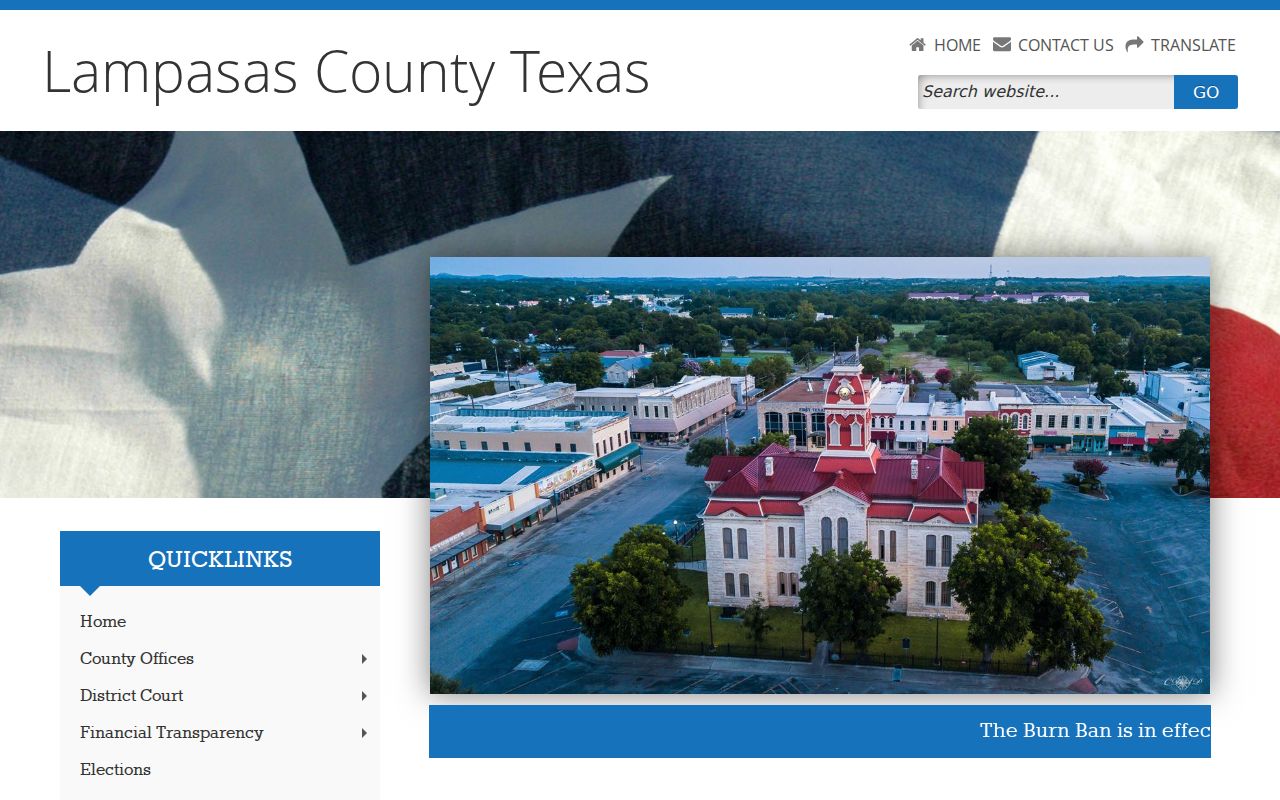
The courthouse is the county's public symbol, yet most criminal clerks work at Annex 1 one block away.
Lampasas County Jail Record Fallback
The Sheriff does not publish a county inmate-search form, daily booking log, or official jail app. For a recent custody question, call 512-556-8255 and use VINELink where Lampasas County participates. Ask for the booking number, charge, bond, location, and release status. For a detailed booking record, send a focused written request by email, fax, mail, or at the Barnes Street counter.
A person missing from a custody service may have bonded out, been released, or been transferred. It does not show that the charge was dismissed. Sentenced Texas prison custody belongs in TDCJ Online Inmate Search, while federal custody belongs in the BOP locator. Medical, housing-pod, and protective-custody details should not be assumed public.
The Federal Bureau of Prisons locator demonstrates the separate federal layer for Lampasas County criminal records.
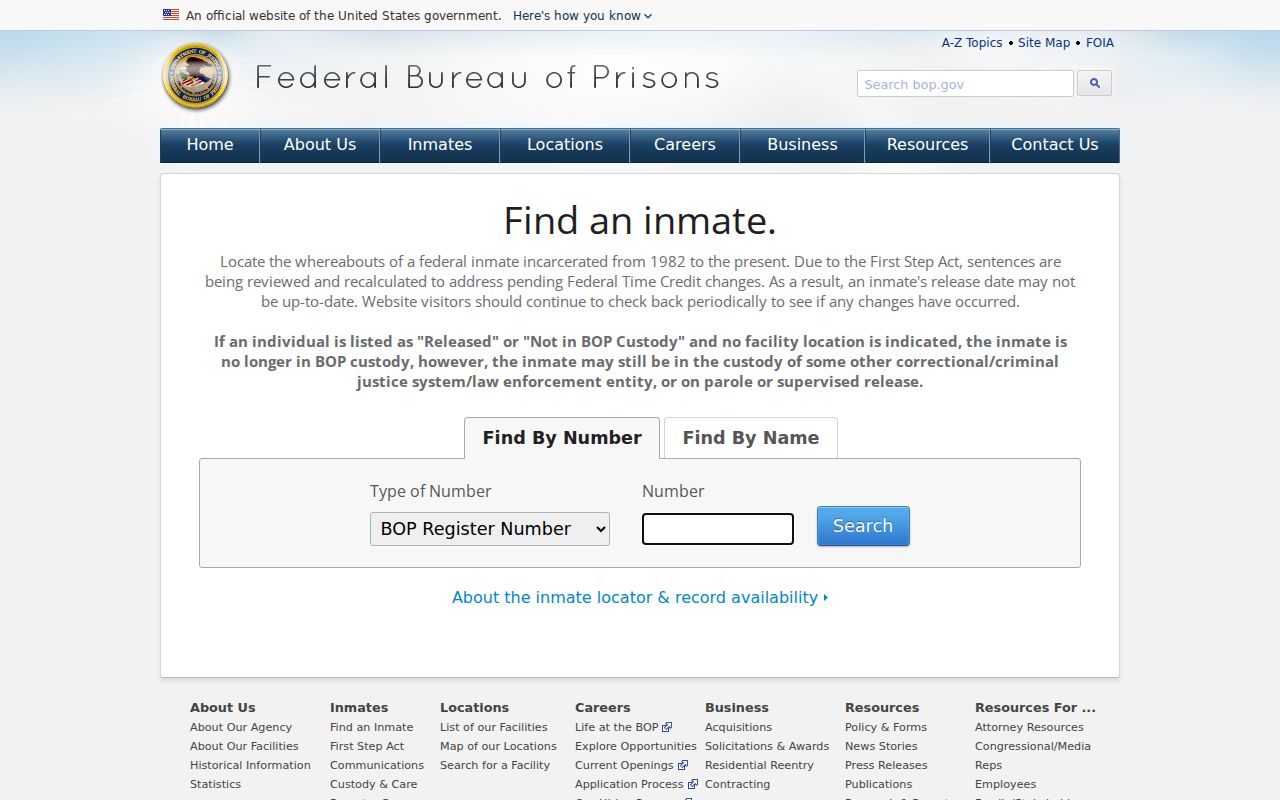
BOP covers federal custody and release records from 1982 forward, not the Lampasas jail or a Texas prison sentence.
Texas Public Access Laws
Access depends on the custodian and record. The Texas Public Information Act governs governmental information subject to exceptions, but court case files have their own access framework. DPS criminal-history dissemination follows Chapter 411. Chapter 66 supports reporting into CCH. Chapter 55A sets expunction procedure, and Chapter 62 governs the public registry.
Key Texas authorities:
Government Code Chapter 552 presumes public access while allowing specific exceptions for confidential and law-enforcement material.
Government Code Chapter 411 limits criminal-history dissemination while authorizing the DPS public conviction and deferred-adjudication search.
Code of Criminal Procedure Chapter 55A controls current Texas expunction eligibility and process.
Code of Criminal Procedure Chapter 62 defines public registry fields and registration duties.
Public access never turns an arrest into proof of guilt. It also does not authorize harassment, identity theft, obstruction, or misuse of restricted information.
Lampasas County Public Record Requests
The Sheriff posts no dedicated public-information portal or downloadable request form. A narrow written request should name the desired record, approximate date and location, creating agency, and any known incident, report, case, booking, or warrant number. State a preferred delivery method and ask for an estimate before paid production. No current local criminal-report copy fee was found in official county material.
The TPIA's ten-business-day concept is often misunderstood. It generally concerns the deadline for a governmental body to seek an Attorney General decision when withholding information. It is not a promise that every record will arrive within ten days. Active investigations, juvenile information, victim data, medical details, and sensitive identifiers can trigger withholding or redaction. Ask for the segregable public part and the legal basis when material is withheld.
Note: A Sheriff request cannot produce a certified criminal judgment; the correct Lampasas County clerk must certify the court record.
Restricted, Sealed & Expunged Records
Redaction, nondisclosure, and expunction are different. Redaction hides protected fields in a record that otherwise remains public. A nondisclosure order restricts ordinary public dissemination of eligible deferred or conviction records while preserving access for criminal-justice agencies and entities named by law. Expunction directs removal or destruction of qualifying arrest records and permits statutory denial of the event.
Texas now places expunction procedure in Code of Criminal Procedure Chapter 55A. Possible routes can include acquittal, pardon or actual innocence, mistaken identity, and some no-charge or dismissal situations that meet every waiting and eligibility rule. A dismissal alone does not guarantee relief. For a Lampasas felony matter, begin with the District Clerk and ask whether the petition belongs in the 27th District Court.
A sound self-review sequence is to obtain the DPS fingerprint record and the certified local disposition, map each arrest charge to its result, compare each with current law, and list every agency that holds the record. Filing fees and a local packet were not confirmed in an official Lampasas schedule, so ask the clerk before filing.
Lampasas County Custody Record Layers
County jail, state prison, federal prison, probation, and parole records answer separate questions. Lampasas CSCD administers local adult community supervision from Annex 1. Routine probation status is not exposed through one public statewide person search. The judgment and any filed motion to revoke may be accessible through the clerk even when officer notes and treatment material remain confidential.
TDCJ handles Texas prison custody and parole supervision, while the Board of Pardons and Paroles makes release decisions. The TDCJ Parole Division page explains the state supervision layer.
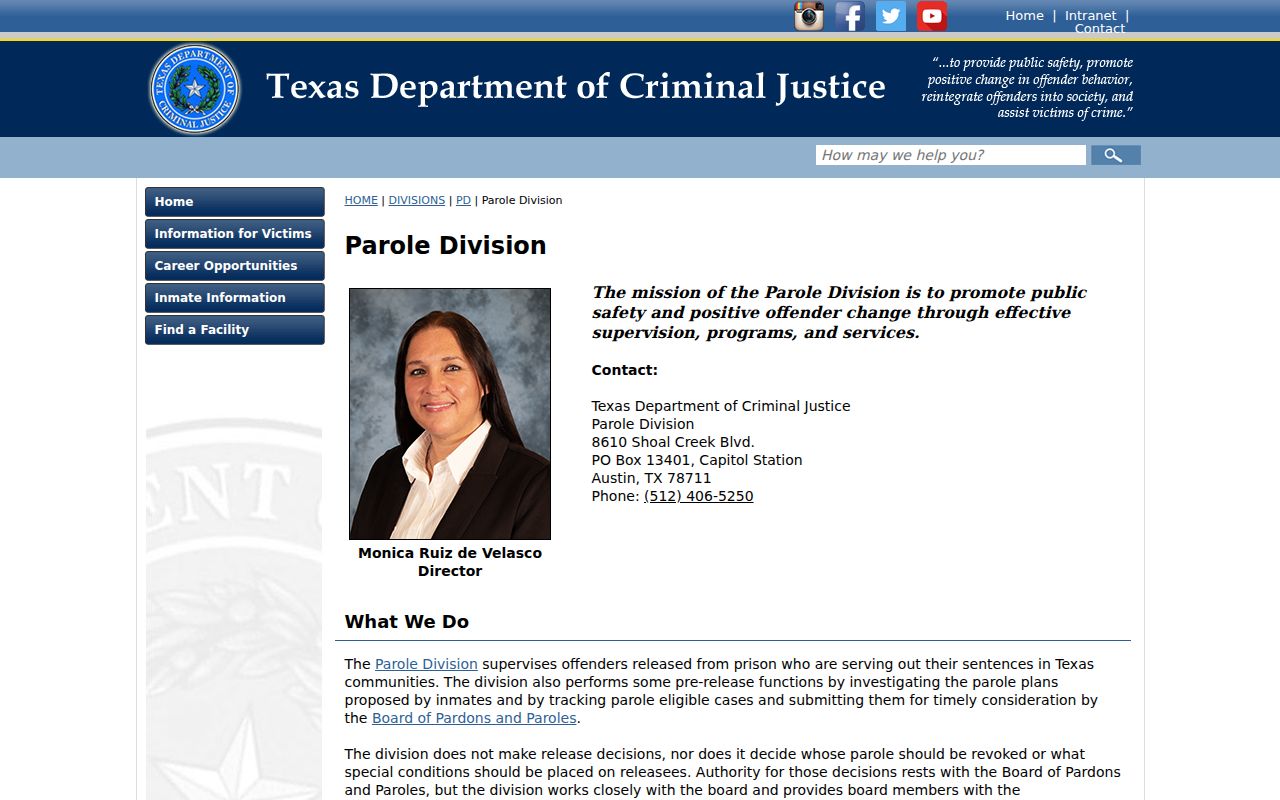
A parole status is not the same as county probation, and neither should be inferred from an old arrest listing.
City-by-City Criminal Records in Lampasas County
City police departments keep their own reports, and municipal courts keep fine-only cases and city warrants. Copperas Cove, Lampasas, and Kempner each have distinct request channels. A city arrest may later produce a county court case, but the local police report remains with the city that created it.
Copperas Cove Record Check
40,118 citywide estimate · Police Records and City Secretary requests serve a city that crosses county lines.
Lampasas Record Check
7,988 estimate · Police Records, the City Secretary, and Municipal Court have separate channels.
Kempner Record Check
1,117 reported population · City Hall, police, and Municipal Court share one municipal building.
Lampasas County Historical Record Gaps
The 1884 courthouse is a Recorded Texas Historic Landmark, but the older record story includes a serious break. The prior courthouse and records location burned in December 1871. Genealogy and historical researchers may therefore encounter gaps that do not reflect a modern search failure. Later floods and building repairs also changed where the county worked, although restoration preserved the present courthouse.
Federal records add another separate layer. The PACER service holds federal dockets and filed documents for matters in the Western District of Texas.
PACER does not include the 27th District Court file. It covers federal cases, with account and usage-fee rules published by the federal judiciary.
A person reviewing their own federal identity history uses another channel. The FBI electronic submission portal accepts Identity History Summary applications.
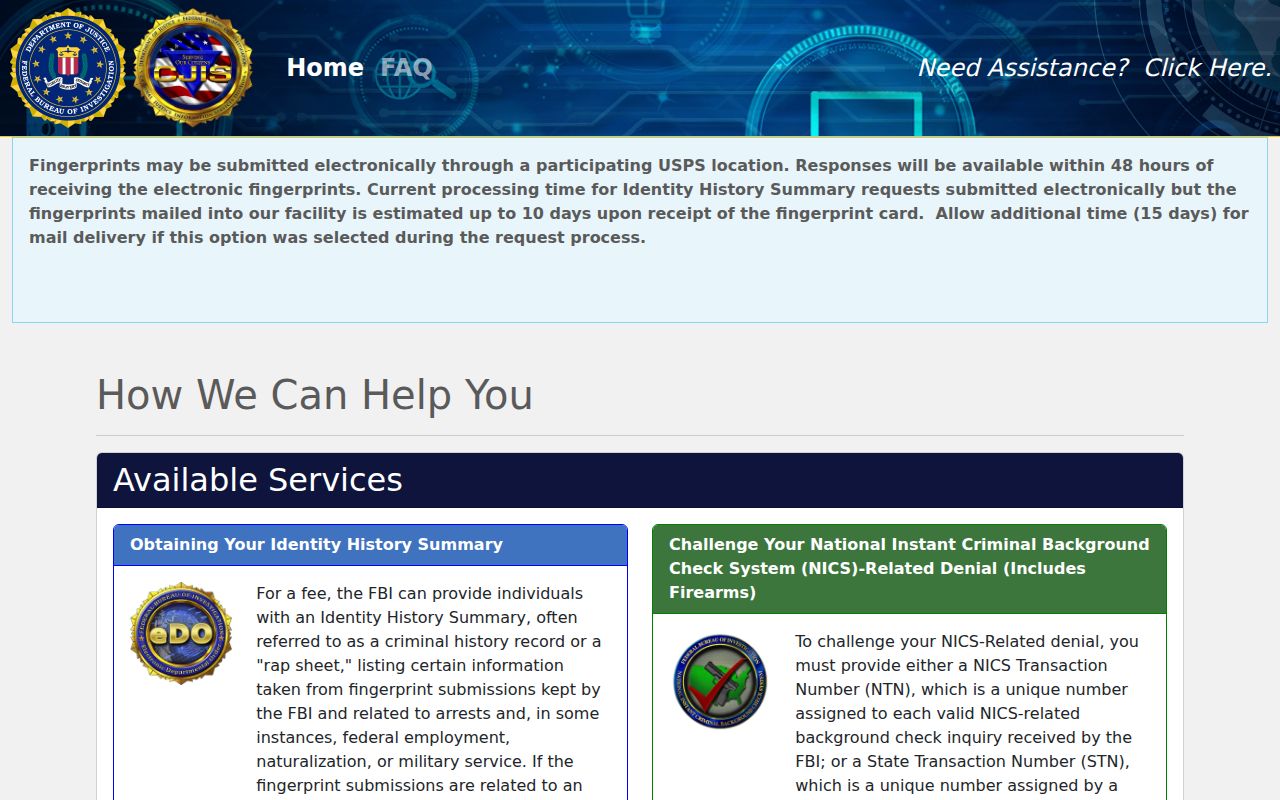
The FBI response is subject-only and cannot certify a Lampasas County court result. The local clerk still controls that document.